
How Often Should an Industrial X-Ray System Be Serviced?
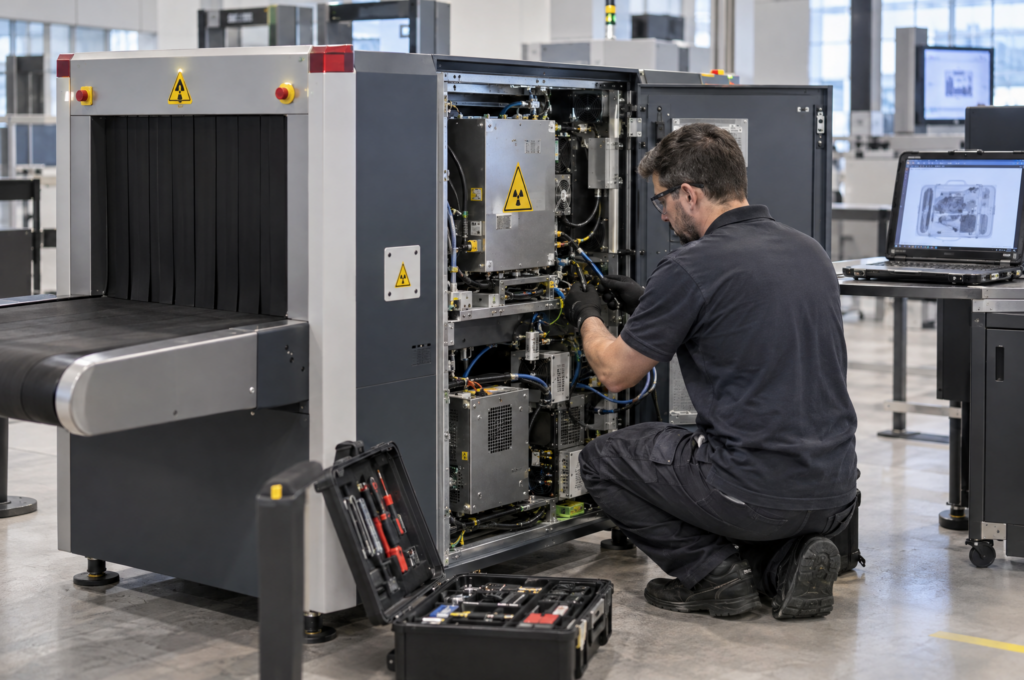
Industrial X-ray systems are critical pieces of production and inspection equipment. Whether you rely on X-ray technology for aerospace non-destructive testing (NDT), weld inspection, electronics, automotive manufacturing, or general quality control, an unexpected equipment breakdown can halt operations and cause costly downtime. A common question plant managers and NDT operators ask is: How often should an industrial X-ray system be serviced? The short answer: Annual preventative maintenance is a standard baseline for most industrial X-ray equipment, but high-use or production-critical systems often require servicing every 6 months. Because there isn’t a single maintenance schedule that fits every system, determining the right service interval requires evaluating equipment age, operating environment, and total workload. Why Does an Industrial X-Ray System Need Servicing? An industrial X-ray system contains several components operating under demanding conditions. Depending on the system, this can include: The X-ray tube and generator can operate at very high voltages, while the tube also generates significant heat that needs to be effectively managed by the cooling system.Regular preventative maintenance provides an opportunity to identify deterioration before it develops into a breakdown. Is Annual X-Ray Servicing Enough? For many systems, an annual preventative maintenance visit can provide an appropriate baseline. But annual servicing shouldn’t automatically be applied to every installation without considering how the equipment is used. A system operating occasionally in a laboratory may have very different maintenance requirements from an X-ray system operating several shifts every day in a production environment. A more heavily used system may benefit from servicing every six months or from additional intermediate checks. Factors to consider include: What Is Checked During an Industrial X-Ray Service? The exact scope depends on the equipment, but preventative maintenance can cover the complete X-ray system rather than simply checking whether X-rays are being produced. X-Ray Generator The generator provides the high voltage required by the X-ray tube. Checks can include general condition, operation, connections, error history and signs of developing electrical problems. Generator faults can sometimes initially appear as intermittent trips or occasional errors before developing into a complete failure. Identifying these issues early can help reduce unexpected downtime. X-Ray Tube The condition and performance of the X-ray tube should also be considered. Potential signs of deterioration can include: Not every apparent tube fault is actually caused by the tube. Generator problems, high-voltage cables and cooling issues can produce similar symptoms, which is why proper fault diagnosis is important. High-Voltage Cables and Connections High-voltage components are particularly important within industrial X-ray equipment. Depending on the system, servicing can include inspection of: Problems in this area can lead to arcing, instability and equipment shutdown. Cooling System Cooling problems are a common cause of X-ray equipment issues. The cooling system removes heat generated during operation and helps maintain the X-ray tube within its correct operating temperature. Maintenance can include checks of: A relatively minor cooling problem can potentially develop into a much more expensive issue if ignored. Safety Interlocks Industrial X-ray systems rely on engineered safety features to prevent unintended exposure. Depending on the installation, servicing can include functional checks of: Safety-related faults should be addressed promptly rather than waiting until the next scheduled service. What About the X-Ray Cabinet or Bay? The generator and tube are only part of the installation. Where the equipment is installed within an X-ray cabinet or walk-in X-ray bay, the enclosure and associated safety systems also need appropriate attention. Checks can include the condition and operation of: Where changes have been made to the installation, additional radiation protection assessment may also be required. For example, significant modifications to an X-ray bay, shielding or safety systems may require RPA involvement and consideration of whether a further critical examination is appropriate. Preventative Maintenance vs Breakdown Repair There are two basic approaches to X-ray maintenance: Wait until it fails. Or: Maintain it before it fails. Reactive maintenance can appear cheaper because there is no cost until something goes wrong. But when a production-critical X-ray system fails, the true cost can include: Preventative maintenance doesn’t guarantee that an X-ray system will never fail, but it can help identify developing problems before they cause an unexpected breakdown. High-Use X-Ray Systems May Need More Frequent Attention A production system running continuously should not necessarily have the same maintenance strategy as equipment used once a week. Where an X-ray system is: it may make sense to carry out more frequent preventative maintenance. For some customers, this could mean six-monthly maintenance rather than relying solely on an annual visit. The appropriate interval should be determined for the individual equipment and operating conditions. Early Warning Signs: How To Spot Minor X-Ray Faults Industrial X-ray systems often provide warning signs before a more serious failure. Examples include: Repeatedly resetting the system without investigating the underlying cause can allow a developing fault to become more serious. If a fault begins occurring regularly, it is worth investigating before the equipment stops completely. Why You Shouldn’t Ignore Small X-Ray Faults Industrial X-ray systems often provide warning signs before a more serious failure. Examples iclude: Repeatedly resetting the system without investigating the underlying cause can allow a developing fault to become more serious. If a fault begins occurring regularly, it is worth investigating before the equipment stops completely. Older X-Ray Systems Need a Maintenance Strategy Industrial X-ray equipment can remain operational for many years. As systems age, however, maintenance planning becomes increasingly important. Considerations can include: An older system doesn’t necessarily need replacing if it remains serviceable. However, organisations should understand which components are becoming difficult to obtain and consider holding critical spares where extended downtime would cause a major operational problem. What X-Ray Spares Should I Keep? For production-critical installations, waiting for a component to be sourced after a breakdown can significantly increase downtime. Depending on the system, strategic spares could include: The appropriate spares depend heavily on the particular system. HTSL can help customers identify components where holding a spare may make commercial sense. Can Older X-Ray Equipment Still Be Serviced? In many cases, yes. Older
How Often Should an Industrial X-Ray System Be Serviced? Read More »