Quick Contact Form

sales@htsl.co.uk
We aim to respond with 24 hours.

Phone

Didcot: +44 (0)1235514200
Deeside: +44 (0) 1244 835120

Quick Contact Form

sales@htsl.co.uk
We aim to respond with 24 hours.

Phone

Didcot: +44 (0)1235514200
Deeside: +44 (0) 1244 835120

News

Is Your Radiation Detection Equipment Giving You Reliable Results? The Crucial Role of Calibration Under IRR17

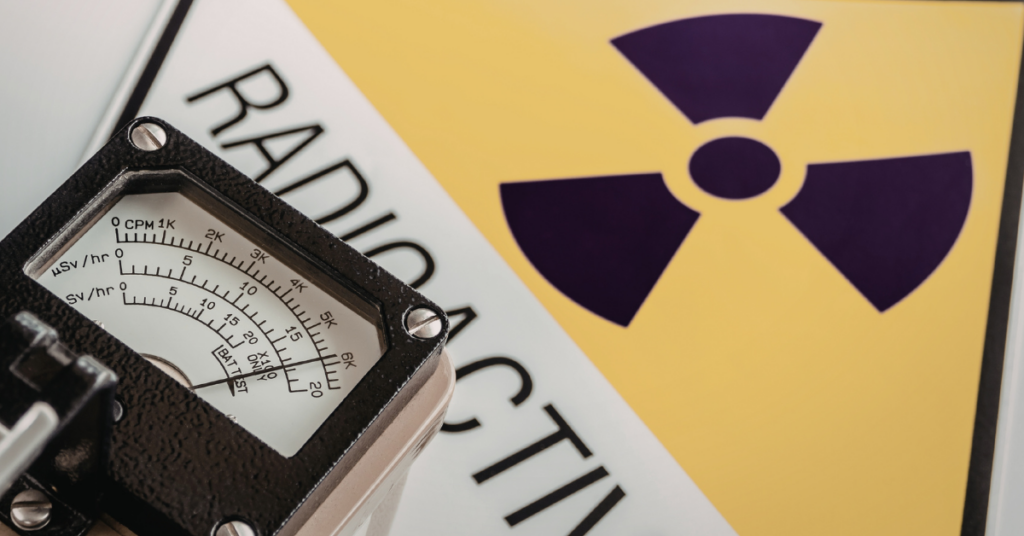
Radiation detection instruments play a critical role in protecting workers, the public, and the environment. Whether deployed in nuclear facilities, healthcare environments, research laboratories, waste management operations, or heavy industrial applications, your team relies on these devices to provide accurate, dependable measurements when it matters most. However, even the highest-quality instruments experience performance drift over time. Environmental conditions, ageing components, subtle physical damage, and routine wear can all skew detector response. Without regular verification and calibration, your organisation could be making safety-critical decisions based on fundamentally inaccurate data. Here is what UK law requires under the Ionising Radiations Regulations 2017 (IRR17) regarding radiation monitor compliance, and how to ensure your equipment remains fit for purpose. The Legal Mandate: Regulation 14, 20, and Schedule 4 Maintaining functioning radiation monitors isn’t just good practice—it is a strict legal requirement. Under Regulation 14(1) of IRR17, employers working with ionising radiation must consult a suitable Radiation Protection Adviser (RPA). Specifically, Schedule 4 of the regulations dictates that an RPA must be consulted on: “The regular calibration of equipment provided for monitoring levels of ionising radiation and the regular checking that such equipment is serviceable and correctly used.” Furthermore, Regulation 20 requires employers to undertake adequate monitoring of controlled and supervised areas to ensure they are designated correctly. A robust area monitoring regime is vital to instantly flag any breakdowns in engineering controls or shifts in background radiation levels. The Core Objectives of Radiation Monitoring How an RPA Shapes Your Monitoring Programme Your appointed RPA plays a direct role in structuring your equipment strategy. You must consult your RPA regarding: Under Regulation 20(3), the equipment provided must be properly maintained, fit for purpose, and adequately tested and examined at appropriate intervals. Testing Intervals and the Importance of UKAS Accreditation To meet HSE expectations, radiation monitoring equipment must be thoroughly examined and tested at least annually. These formal examinations cannot be done in-house using basic checks; they must be undertaken by specialist testing laboratories. Proper testing requires utilising known-activity radioactive sources or specialist hardware capable of providing traceably accurate calibrations to recognised national standards. Why UKAS Accreditation Matters When selecting a calibration partner, accreditation is your shield against non-compliance. A United Kingdom Accreditation Service (UKAS) accredited calibration laboratory operates to strict international standards. Choosing a UKAS-accredited service guarantees that: All calibration certificates must be signed by a suitably qualified person, display their contact details, and be retained within your company’s radiation records for at least two years from the test date. Beyond Calibration: Proactive Equipment Management Annual calibration should form just one part of a broader asset management strategy. To maximise instrument reliability and extend operational lifespan, organisations should implement: Is It Time to Upgrade? Many UK businesses are currently reviewing older monitoring inventories. Rapid advances in detector technology, digital connectivity, sensitivity, and data logging mean that upgrading to modern instruments can vastly improve on-site efficiency, data accuracy, and worker safety. Ensure Your Instruments are Fit for Purpose with HTSL Whether you manage a single hand-held survey meter or a large fleet of specialised contamination monitors, keeping your inventory accurate and compliant is paramount. HTSL’s UKAS-accredited calibration laboratory supports organisations across the medical, nuclear, industrial, defence, and research sectors. We provide comprehensive calibration, preventative servicing, fast-turnaround repairs, and technical support for an extensive range of radiation detection instruments.

Is Your Radiation Detection Equipment Giving You Reliable Results? The Crucial Role of Calibration Under IRR17 Read More »

Welcome to the Team – Luke Stocks Joins HTSL Group!

At HTSL Group, we are continuously expanding our capabilities to ensure our clients receive the absolute highest tier of regulatory guidance. With that in mind, we are thrilled to officially introduce the newest addition to our specialist team: Luke Stocks! Luke joined the HTSL Radiation Protection Team earlier this year and has already made a fantastic impact, working closely with our clients across the UK to optimise their compliance with complex radiation safety legislation. A Multi-Class DGSA Specialist Luke arrives at HTSL as a fully qualified Dangerous Goods Safety Adviser (DGSA). Crucially, his qualifications cover all hazard classes for transport by road, with a core specialism in Class 7 (Radioactive) goods. Navigating the logistics of radioactive materials requires a meticulous understanding of The Carriage of Dangerous Goods Regulations, making Luke’s expertise an invaluable asset for any client moving hazardous cargo within the UK supply chain. To further expand his technical capabilities, Luke is also currently undertaking advanced training to qualify as both a certified Radiation Protection Adviser (RPA) and a Radioactive Waste Adviser (RWA) under our senior consultancy team. Backed by High-Level Industry Experience Luke has been working at the forefront of radiation protection since 2023, developing a diverse and highly practical skill set across several heavily regulated sectors. His industry experience includes: Before launching his professional career in radiation safety, Luke built a robust academic foundation at Newcastle University, where he graduated with a Master’s Degree in Physics (MPhys). His deep understanding of nuclear physics allows him to translate complex scientific data into practical, actionable safety advice for our clients. Get in Touch with Luke Whether you need to review your current transport protocols, require an annual DGSA audit, or want to arrange bespoke dangerous goods training for your logistics team, Luke and the wider HTSL team are ready to assist.

Welcome to the Team – Luke Stocks Joins HTSL Group! Read More »

Do you need a Class 7 (Radioactive) Dangerous Goods Safety Adviser? 

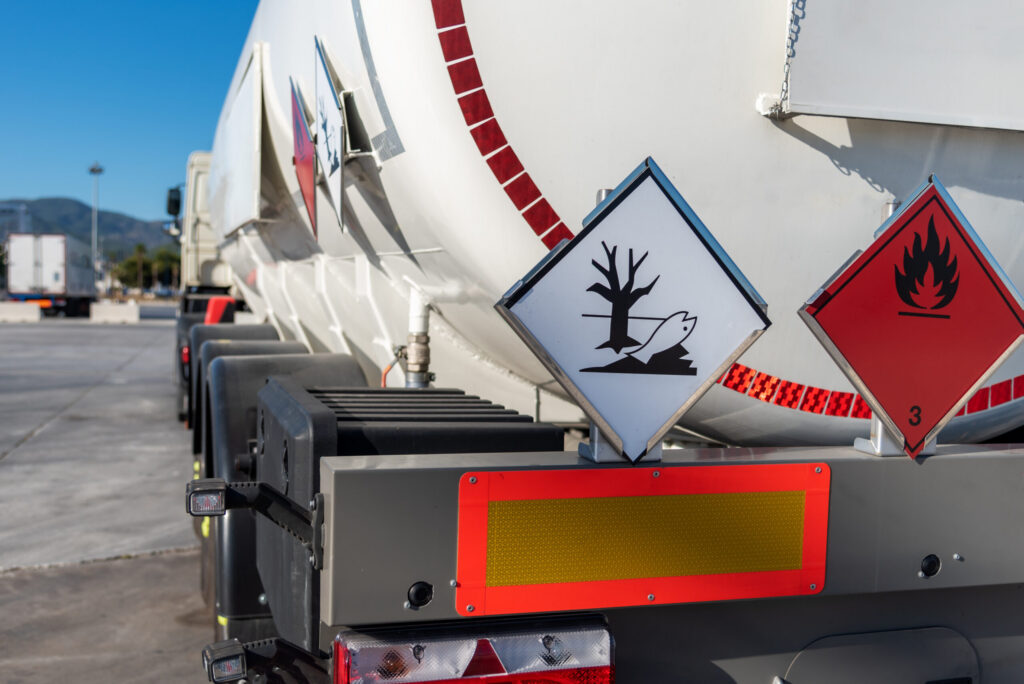
When we think about transporting items by road or sea, we often take the safety of the journey for granted. However, certain materials pose a direct risk to health, safety, property, and the environment if managed incorrectly. These are officially classified as Dangerous Goods. The United Nations (UN) organises these hazardous materials into nine distinct classes. If your business is involved in moving any of them, you are bound by a complex web of legal responsibilities. The 9 Classes of Dangerous Goods To ensure safety across global supply chains, dangerous goods are categorised into nine major hazard groups: Different modes of transport require vastly different rules. In the UK, transport by road is strictly regulated by The Carriage of Dangerous Goods and Use of Transportable Pressure Equipment Regulations 2009 (CDG09), which implements the international ADR framework. Meanwhile, maritime transport is governed by the International Maritime Dangerous Goods (IMDG) Code. The Legal Requirement: What is a DGSA? Under CDG09, if your business regularly handles, packs, loads, or transports dangerous goods above certain thresholds, you are legally required to appoint a certified Dangerous Goods Safety Adviser (DGSA). Your DGSA is responsible for monitoring your compliance, training your staff, investigating any transport-related incidents, and producing a mandatory annual audit to ensure your transport operations remain fully compliant with UK law. The Class 7 Problem: Why Standard DGSAs Often Fall Short A common issue businesses face when dealing with logistics is finding a DGSA qualified to advise on Class 7 (Radioactive Material). Many general transport advisers will confidently consult on flammable liquids or corrosive substances, but explicitly exclude Class 7 from their services. Why? Because radioactive substances require specialist consideration regarding: Because the risks associated with ionising radiation are so distinct, additional, advanced technical training is necessary to manage radioactive cargo safely. How HTSL Group Optimises Your Transport Compliance We bridge the gap by offering a specialised DGSA service focused explicitly on Class 7 Radioactive Material. Our fully qualified advisers are on hand to provide year-round technical guidance, help you design robust transport protocols, and perform your mandatory annual compliance audits. Crucially, our expertise covers transport logistics for both road and sea (IMDG) networks. Bespoke Transport Training for Your Workforce In addition to consultancy, we can deliver fully tailored safety training programmes for your personnel involved in the logistical chain. Our modules can be customised to your exact operational requirements and cover: Get in Touch with Our Specialists Don’t let transport compliance put your business at risk of regulatory penalties. Whether you need a formal DGSA appointment or specialised training for your logistics team, HTSL Group provides the industry-leading expertise you need.

Do you need a Class 7 (Radioactive) Dangerous Goods Safety Adviser?  Read More »

Demystifying Regulation 32(2): Who is Responsible for Your Radiation Critical Examination?

When a new or second-hand piece of radiation equipment arrives at your facility, the excitement of an upgrade can easily overshadow a complex legal hurdle: The Critical Examination. Under Regulation 32(2) of the Ionising Radiations Regulations 2017 (IRR17), a critical examination is a strict legal requirement before bringing radiation-emitting equipment into normal use. Yet, misunderstanding who is responsible for performing it- and how the HSE expects it to be managed – remains a major compliance trap for businesses across the UK. Following recent clarifications from the Health and Safety Executive (HSE), we are breaking down everything you need to know about Regulation 32(2) to ensure your next equipment installation goes smoothly! The Core Rule: What is a Critical Examination? Regulation 32 of IRR17 stipulates that anyone who erects or installs an article for use at work involving ionising radiation must ensure the equipment is safe before it is handed over. The installer is legally required to: Crucial Fact: This regulation applies to both brand-new and second-hand equipment. If it has radiation protection implications and it is being re-installed, it needs a critical examination. The Golden Rule: It is the Installer’s Burden, Not the User’s A common misconception is that the business purchasing the machinery must organise the critical examination. This is false. The legal responsibility to perform and verify the critical examination lies entirely with the installer, not the end-user. What Items Must Be Covered? It isn’t just standard X-ray generators that require this process. A critical examination must cover: New Rules for Industrial Radiography Enclosures Industrial radiography enclosures present unique compliance hurdles. Because of the high-risk nature of the work, the HSE has tightened its expectations surrounding who actually triggers the equipment during testing. The Consent Trap The HSE expects the service engineer installing an enclosure safety system to complete the critical examination. Crucially, whoever operates the equipment during the check must hold valid HSE consent to undertake industrial radiography. An RPA can assist by taking dose rate measurements, but the RPA must not “press the button” or operate the equipment unless they personally hold the required HSE industrial radiography consent. Navigating HSE Consent: New vs. Existing Setups How do you legally test equipment if you don’t yet have the official HSE consent to operate it? The HSE handles this based on your current operational status: Scenario A: You are entirely new to the practice If you are a new duty holder applying for your first radiography consent via the HSE portal, the HSE cannot grant final approval until a successful critical examination is completed. To break this catch-22, the HSE will likely issue a Temporary Consent specifically to facilitate the critical examination, provided you can demonstrate compliance with all other facets of IRR17. You must proactively submit a request to the HSE for this. Scenario B: You are adding equipment to an existing consent If you are adding new machinery under a consent you already hold, you must notify the HSE of a Material Change before any work begins. Achieve Flawless Compliance with HTSL Group Failing to properly execute or document a critical examination can halt your operations and invite severe HSE penalties. Whether you are an equipment installer trying to fulfil your Regulation 32(2) duties, or an employer looking to safely integrate new X-ray or nucleonic devices, HTSL Group is here to help. We offer expert RPA consultancy to guide your testing frameworks, alongside a broad range of accredited, high-quality safety training programmes available both in-person and online.

Demystifying Regulation 32(2): Who is Responsible for Your Radiation Critical Examination? Read More »

HSE RPA Workshop Insights: Are You At Risk of a Material Breach Under IRR17?

The Health and Safety Executive (HSE) recently hosted its annual workshop for Radiation Protection Advisers (RPAs) across the UK. The session provided a critical retrospective on the HSE’s enforcement activities over the last 12 months and dropped major indicators regarding where inspectors will focus their attention through 2026 and 2027. For employers working with ionising radiation, the data shared by the HSE serves as a stark reminder: compliance under the Ionising Radiations Regulations 2017 (IRR17) requires continuous vigilance. Here is our comprehensive breakdown of the key takeaways from the workshop, the most common regulatory failures, and how your business can stay ahead of the curve. The Headline Statistic: A 64% Material Breach Rate During Priority Local Inspections over the past year, the HSE uncovered a staggering 64% material breach (MB) rate. What is a Material Breach? A material breach occurs when an inspector judges that a company has broken health and safety law significantly enough to warrant formal action. This ranges from verbal advice and official Notice of Contravention (NoC) letters to binding Improvement Notices, Prohibition Notices, and outright prosecution. While non-compliance was found across various aspects of IRR17, four specific regulations stood out with the highest failure rates. Regulation Focus Area Breach Rate Common Failure Points Identified Regulation 19 Additional Requirements for Designated Areas 46% Specifically Reg 19(6); inadequate or missing dose assessment in controlled areas. Regulation 20 Monitoring of Controlled Areas 36% Complete absence of monitoring, or infrequent monitoring in and around controlled areas. Regulation 9 Restriction of Exposure 29% Deficiencies in physical shielding, malfunctioning warning lights, missing e-stops, or flawed access restrictions. Regulation 8 Radiation Risk Assessments (RRA) 29% Failing to follow the specific Approved Code of Practice (ACOP) outlined in paragraphs 70 & 71 of IRR17. HSE Inspection Plans for 2026/2027: Where the Spotlights Are Turning The HSE’s Radiation Specialists announced clear operational shifts for the upcoming cycle. Organizations should prepare for an uptick in proactive and reactive scrutiny: Mastering the RADAN Consent Process: Critical HSE Dos and Don’ts Since transitioning to the RADAN system, the HSE has received 186 submissions and granted 92 consent certificates. Navigating this system efficiently is a major bottleneck for many firms. To speed up your approval process, the HSE provided three essential pieces of practical advice: Industrial Radiography Focus: The Good vs. The Bad Practices The HSE also compiled specific feedback stemming from desktop reviews and on-site inspections of industrial radiography providers. If your facility handles radiography, use this checklist to gauge your compliance. What the HSE Applauded (Good Practices): What the HSE Flagged (Bad Practices): How HTSL Group Keeps Your Business Compliant Navigating a 64% industry failure rate means you cannot afford to guess when it comes to radiation safety. We provide expert radiation protection compliance services backed by decades of UK industry-leading expertise. We regularly help employers across the medical, nuclear, industrial, and security sectors manage their IRR17 duties seamlessly. Whether you need a robust Radiation Risk Assessment, support navigating your RADAN application, or specialised staff training, we are here to safeguard your workforce and shield your business from costly material breaches.

HSE RPA Workshop Insights: Are You At Risk of a Material Breach Under IRR17? Read More »

HTSL Group Town Hall Meeting 2026

Our first ever Town Hall Day served as a pivotal moment of alignment and reflection for the entire group. Providing a rare opportunity for every employee to gather in person. The day commenced with a comprehensive state-of-the-business presentation outlining our strategic roadmap, followed by interactive team-building exercises designed to break down silos and strengthen cross-departmental bonds. Wrapping up with an elegant dinner and an awards ceremony to recognise outstanding employee achievements, the event not only celebrated our recent milestones but also solidified our shared commitment to the future. HTSL Group Presentation The presentation portion of our Town Hall Day provided a vital platform for corporate alignment, reflecting on our recent milestones while charting a clear course for the future. Led by our Managing Director, Ben Read and other members of our executive leadership team, the presentations offered a comprehensive overview of the company’s financial health, operational achievements, and strategic growth plans. The session concluded with an engaging open floor Q&A, allowing team members from all departments to engage directly with leadership, ask questions, and offer feedback. This transparent dialogue underscored our core belief that every employee plays an integral role in driving our business objectives forward. Live Product Demonstration A core highlight of the Town Hall Day was the interactive product demonstration session, which brought our technical capabilities to the forefront. This hands-on segment allowed team members from all departments to engage directly with our latest hardware, software solutions, and equipment, bridging the gap between the different business offerings within the group. By experiencing these innovations firsthand, our entire team is better equipped to advocate for our products and understand the impact of our collective work. This focus on continuous learning and innovation ensures that we remain agile and competitive in an ever-evolving market. Team Building Session Following the presentation and product demonstrations, the afternoon transitioned into a dynamic, hands-on team-building session. Divided into teams, employees worked together to navigate complex problem-solving exercises that required strategic thinking, clear communication, and collective agility. The activity challenged team members to step outside their daily roles and collaborate in a high-energy, practical environment. The session succeeded in breaking down traditional departmental silos, injecting a sense of shared accomplishment and camaraderie into the day. The energy and teamwork displayed throughout the afternoon highlighted the strength of our workplace culture and our shared commitment to mutual success. Dinner and Awards Ceremony The Town Hall Day concluded in an elegant evening dinner and awards ceremony, providing a formal setting to celebrate our collective successes and recognise outstanding individual achievements. The evening served as a testament to the hard work, dedication, and talent that define our workforce. The highlight of the evening was the announcement of our Star Employees for Q1, honouring individuals who consistently went above and beyond to drive our business objectives forward. Recognising these exceptional contributions fosters a culture of excellence and mutual appreciation across the business. As we move into the next quarter, the achievements celebrated during the ceremony serve as an inspiration for the entire organisation to continue striving for excellence.

HTSL Group Town Hall Meeting 2026 Read More »

IRPA 2026: Deeside HTSL Calibration Laboratory Welcomes International Delegates

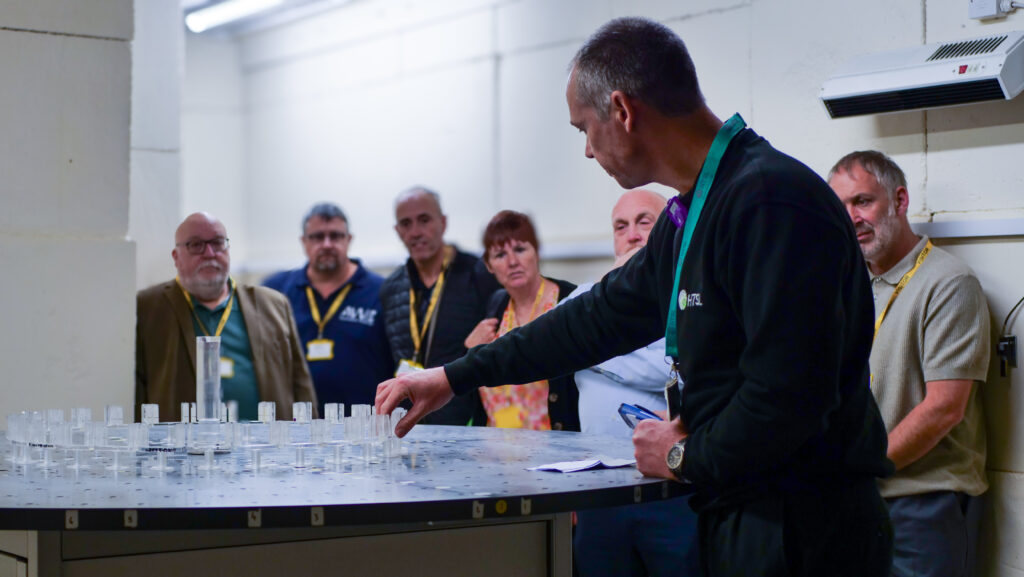
As radiation protection standards continue to evolve globally, collaboration and knowledge-sharing remain at the heart of industry progress. We recently had the distinct pleasure of hosting an exclusive, behind-the-scenes site visit to our UKAS Accredited calibrations laboratory located in Deeside. The event took place as part of the 7th European International Radiation Protection Association (IRPA) Congress, bringing together leading minds and experts from across the radiation safety sector. Over 20 delegates took time out of their congress schedules to tour our state-of-the-art facility, explore our specialised calibration capabilities and engage with our technical experts. Exploring an Industry-Leading Calibration Facility The site visit offered our international guests a comprehensive, firsthand look at what goes into maintaining peak accuracy and compliance for radiation protection instrumentation. Divided into interactive sessions, the tour walked delegates through the entire lifecycle of calibration inside our facility: A Truly Global Gathering Radiation protection is a global effort, and our visitor list certainly reflected that. We were incredibly proud to welcome guests travelling from all over the world, including: Having such a diverse group of international practitioners under one roof allowed for a fantastic exchange of ideas, comparing regional practices against international standards. Why UKAS Accreditation Matters in Radiation Protection For facilities handling radiation safety equipment, there is no room for error. A slight variance in an instrument’s reading can have major safety implications. Hosting events like the IRPA site visit gives us the platform to demonstrate why rigorous accreditation matters. Our Deeside laboratory operates under strict UKAS guidelines, ensuring that every piece of equipment we calibrate delivers traceably precise and legally defensible measurements.

IRPA 2026: Deeside HTSL Calibration Laboratory Welcomes International Delegates Read More »

How to Comply with Your Radioactive Substances Permit: A Guide to EPR’16

If your business handles radioactive materials in England or Wales, your operations are governed by The Environmental Permitting (England and Wales) Regulations 2016 (EPR’16). Whether you hold a permit for sealed sources, open sources, or radioactive waste, the Environment Agency (EA) requires strict adherence to specific conditions. Understanding how these permits are structured—and how to demonstrate compliance—is essential for any Radiation Protection Supervisor (RPS) or manager. Navigating Environment Agency Guidance The EA provides tailored guidance depending on the nature of your radioactive practice. It is vital to consult the document specific to your permit type: For those operating in Scotland, while the framework differs slightly, SEPA provides a similar guide to compliance with standard conditions for radioactive substances. Anatomy of a Non-Nuclear Permit Most permits for the keeping and use of radioactive sources follow a standardized five-section structure. Understanding these sections helps you organize your evidence for inspections. Section 1: ManagementThis section focuses on your Written Management System. The EA looks for proof that you have: Sufficient competent persons (such as a Radioactive Waste Adviser). Adequate resources to maintain safety. A robust system to ensure full compliance with all permit conditions. Section 2: OperationsThis is often the most detailed part of the permit. it covers: Permitted Activities: Exactly what you are allowed to do (detailed in Schedule 1). The Site: The specific boundaries where radioactive work is authorized. Source Security & Integrity: How you prevent loss, theft, or damage. Source Lifecycle: Rules regarding the receipt, identification, transfer, and accumulation of sources. Section 3 & 4: Waste and InformationWaste Disposal: Conditions for the authorized disposal of radioactive waste (if applicable). Information & Records: Strict requirements for record-keeping, reporting, and mandatory notifications to the regulator. Summary of Core Requirements Regardless of your specific industry, permit compliance generally rests on five pillars: Expert Support for Your RSR Permit Navigating environmental permits can be daunting. HTSL Group offers expert Radiation Protection Services to take the guesswork out of compliance. Our team includes legally recognised Radioactive Waste Advisers (RWA) and Radiation Protection Advisers (RPA) who can help you draft management systems, conduct gap analyses, and prepare for regulator inspections. Ensure your site is fully compliant. Explore HTSL Group RPA & RWA Services For bespoke advice or to discuss your specific permit requirements, contact Nick Hutchinson at nick.hutchinson@htsl.co.uk.

How to Comply with Your Radioactive Substances Permit: A Guide to EPR’16 Read More »

Understanding IRR17: Consent and the Safety Assessment Requirement

If your business works with ionising radiation, staying compliant with The Ionising Radiations Regulations 2017 (IRR17) is non-negotiable. Under Regulation 7, specific high-risk practices require more than just notification—they require formal Consent from the Health and Safety Executive (HSE) or the Office for Nuclear Regulation (ONR). A critical part of this application is the Safety Assessment. Here is everything you need to know about the requirements and how to ensure your submission is successful. What is a “Specified Practice”? The requirement to submit a safety assessment applies only to “specified practices.” According to Regulation 7(1) of IRR17, these high-risk activities include: Note: If you perform more than one specified practice, you must apply for a separate consent for each individual activity. What is an IRR17 Safety Assessment? A safety assessment is a formal demonstration that your facility has identified risks and implemented controls. It isn’t a single document, but a package consisting of: The HSE Safety Assessment Template: A specific form tailored to your work practice. Local Rules: Your site-specific procedures for managing radiation. Contingency Plans: Formalized steps to be taken in the event of an accident or equipment failure. The Goal of the SubmissionThe HSE uses these documents to determine if your safety arrangements meet legal standards. For the employer, it is a vital exercise in proving that compliance with IRR17 is being actively maintained. How to Submit Your Safety Assessment The process differs depending on whether you are starting a new practice or updating an existing one. Retrospective Submissions: Are You at Risk? Since January 1st, 2018, consent has been a legal requirement. However, many employers hold “Consent” but have not yet submitted a formal Safety Assessment. The HSE and ONR are currently contacting these holders to request retrospective submissions. If you receive this request, it is vital to act quickly to ensure your legal authority to work with radiation remains valid. Expert Support with HTSL Group Navigating HSE applications can be complex. The technical requirements for contingency plans and safety templates often require expert oversight to avoid rejection or delays. HTSL Group provides industry-leading radiation protection compliance services. Our experienced team can act as your Radiation Protection Adviser (RPA) and Radioactive Waste Adviser (RWA), guiding you through the entire safety assessment process and providing bespoke training for your staff. Ensure your business stays compliant.Visit our RPA webpage

Understanding IRR17: Consent and the Safety Assessment Requirement Read More »

Scroll to Top
A middle-aged woman with curly hair and glasses, wearing a navy blazer, presents from a projector screen in a classroom, pointing with a device while attendees in the foreground take notes.

IRR17 Certified

Limited Availability
RPS Training Courses

Our qualified radiation protection advisors deliver expert services across all sectors, ensuring complete IRR17 compliance and workplace safety.

IRR17 Compliant Certification

Recognised across all UK industries

Flexible Options Available

In-person, online, or bespoke training

Expert Instructors

30+ years of industry experience

Next course starts soon.